

Transition
Transition to Year R
At Liphook Infant School, we are committed to making the transition into school a smooth and positive experience for every child and their family. We understand that starting school is a big step and we work closely with families and early years providers to ensure each child feels confident and secure from the very beginning.
Our Executive Headteacher and Year R Leader visit all of our main feeder pre-schools to meet the children in familiar surroundings. For children attending other pre-schools or cared for by childminders, our Year R Leader makes personal contact by phone to gather helpful information and begin building a picture of each child.
In mid-June, we invite parents and carers to a welcome meeting where they can meet the team, learn about school routines and understand our expectations. At the end of June, parents and carers are invited to take part in a carousel of short, practical workshops focused on building independence, early phonics, mathematical thinking, fine motor skills, and speech and language development.
In early July, children are invited to a transition visit where they spend time in their new classroom and meet their teacher and classmates. During this visit, parents and carers attend a session that introduces our federation values and our approach to wellbeing and emotional development.
At the beginning of September, each child receives a home visit from their class teacher and teaching assistant. This visit helps us get to know your child in a familiar setting and begin building a strong, trusting relationship. Children then start school gently, with afternoon sessions before moving to full-time attendance.
To help families connect, we host a relaxed picnic on the Saturday following the home visits. This informal event includes fun activities like a bouncy castle and gives children and parents the chance to get to know each other and begin forming friendships.
Transition to Year 3
Starting Year 3 is a significant and exciting milestone, and we ensure it feels both welcoming and familiar. Children continue their learning journey within the same nurturing environment, guided by the values, learning hearts, and trusted approaches they already know, such as our Talk Tactics, Maths - No Problem! and our consistent behaviour expectations. It’s the same joined-up curriculum, simply moving forward into the next stage.
We place great importance on a smooth and supportive transition. Year 2 and Year 3 teachers work closely together to ensure every child is known, understood, and well-prepared. As part of this process, children visit their new classroom for story time and take part in a dedicated transition morning in early July, giving them the chance to meet their new teacher and begin to feel at home in their new setting.
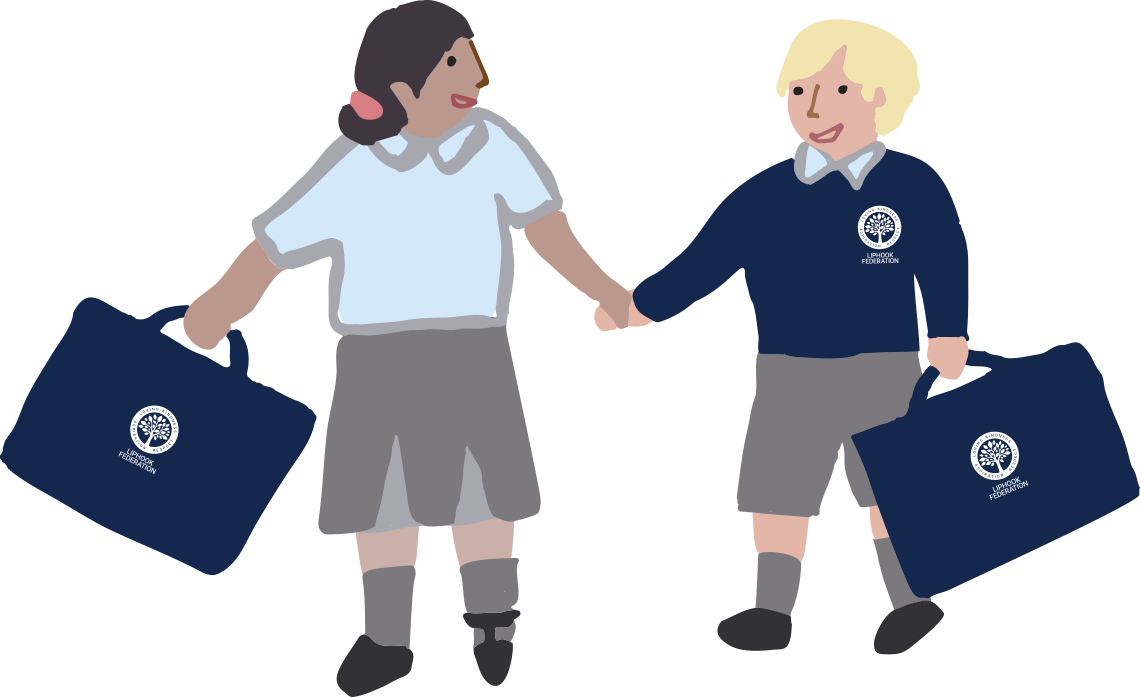
A small but meaningful change in uniform - moving from pale blue to white polo shirts - marks their step into Key Stage 2. With this comes a rise in expectations, particularly around homework. Children are encouraged to take greater responsibility for their learning at home, with a strong focus on regular reading, maths fluency, and developing independent study habits.
Year 3 also introduces exciting new opportunities to celebrate effort, achievement, and character. Pupils can begin earning merits and collecting merit badges for their contributions and progress. In addition, S.T.E.P. badges—awarded for showing good manners and thoughtful behaviour through the simple but powerful words Sorry, Thank you, Excuse me, Please—help foster a culture of kindness and respect.
To support and reassure our younger pupils, each Year 3 child is paired with a Year 6 befriender—a friendly face to offer guidance, encouragement, and a sense of belonging within the wider school community.
Parents are warmly invited to our Welcome to the Junior School meeting towards the end of June. This is a valuable opportunity to meet the Year 3 team, learn more about the year ahead, and ask any questions about the transition process.
The Children's Toothbrushing Guide
Transition to Year 7
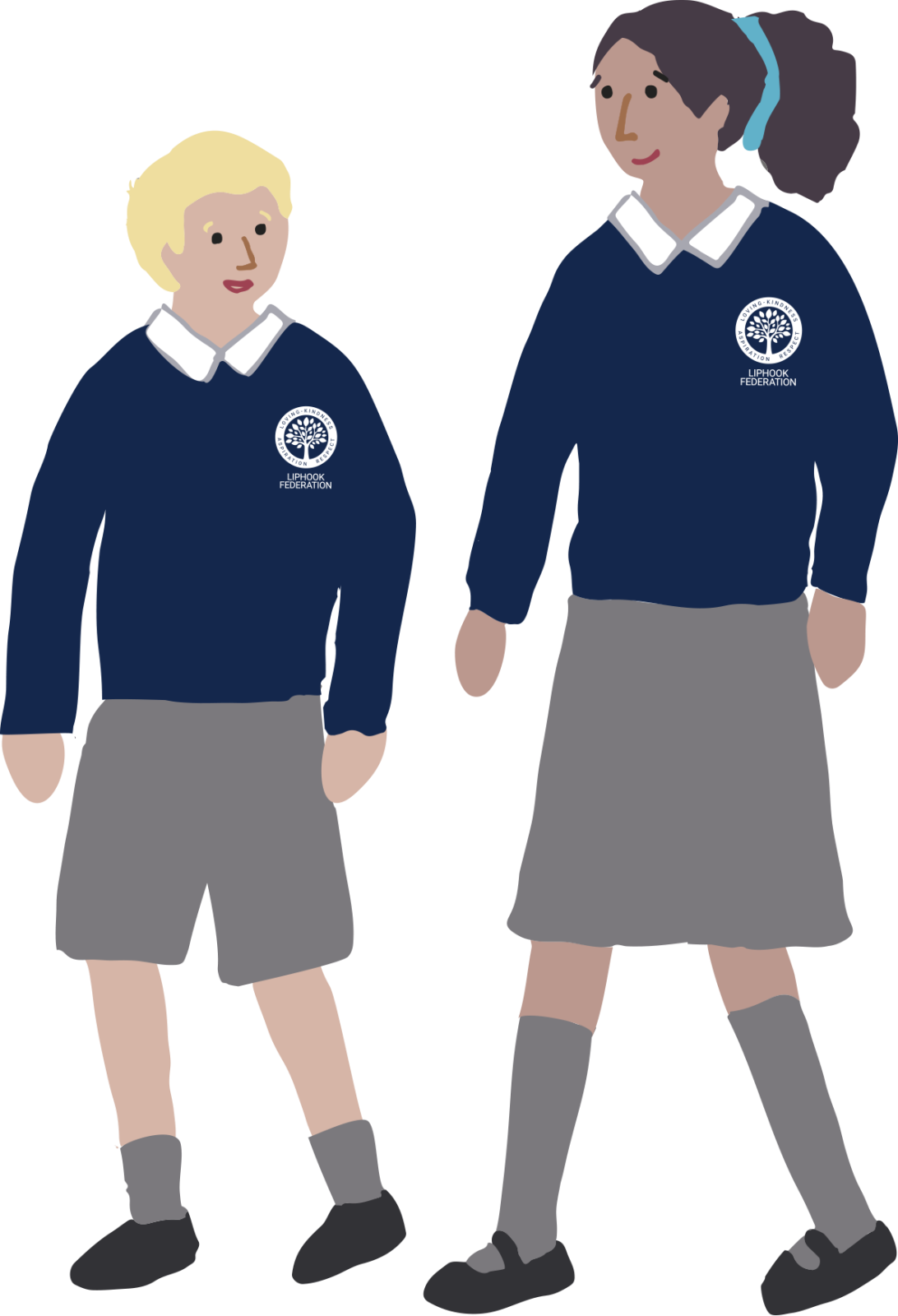 We work closely with our local secondary schools to ensure every child experiences a smooth and successful transition. Strong partnerships enable us to share pastoral and academic information effectively, so each pupil’s needs are understood and supported. Our curriculum and enrichment activities are designed to equip pupils with the knowledge, skills, and attitudes they need to be fully secondary-ready, ensuring they leave us prepared for the next stage of their education.