

Geography
 “The study of geography is about more than just memorising places on a map. It's about understanding the complexity of our world, appreciating the diversity of cultures that exists across continents. And in the end, it's about using all that knowledge to help bridge divides and bring people together.”
Barack Obama, US President
Intent
At Liphook Federation, we enable pupils to explore and make sense of the wider world through an ambitious, inclusive geography curriculum. We focus on substantive knowledge (what they learn) and disciplinary knowledge (how they think and work like geographers). Our approach sparks curiosity through rich topics, real-world experiences, and technology, while using oracy as a tool for deepening understanding and promoting courageous advocacy.
Implementation
Our curriculum builds knowledge progressively from local to global contexts, weaving the strands of locational knowledge, place knowledge, human and physical geography, and geographical skills and fieldwork throughout.
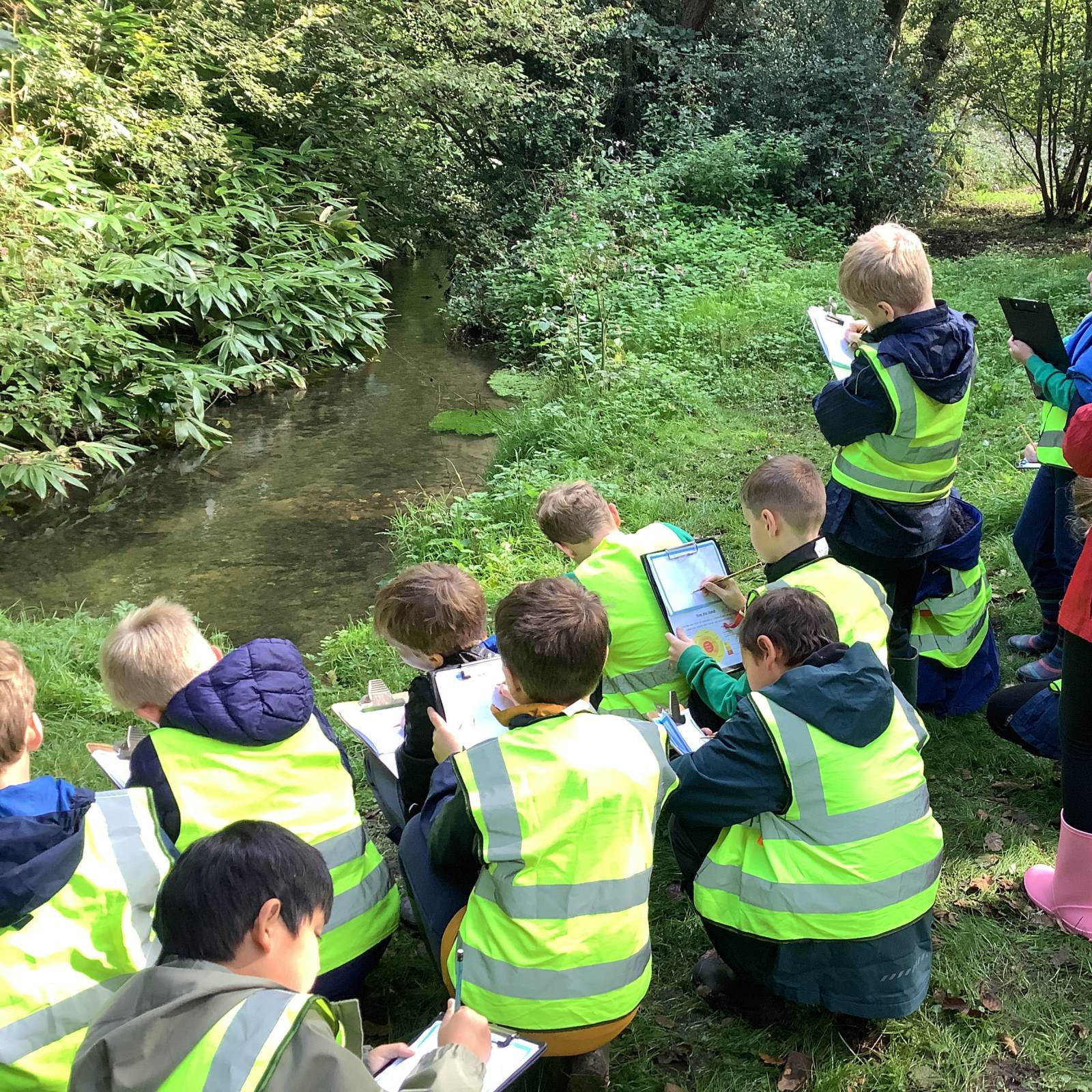
Substantive knowledge is deepened through enquiry, while disciplinary knowledge develops as pupils interpret maps, analyse data, and apply fieldwork techniques. In the early years and Key Stage 1, pupils first explore their immediate environment and observe seasonal changes, they then learn about the UK and its countries, continents and oceans. They begin to compare contrasting places such as Liphook and St Lucia, using simple maps and fieldwork. As pupils move through Key Stage 2, they extend their understanding to Europe, North and South America, and global regions. They study rivers, mountains, climate zones, biomes, volcanoes, earthquakes, and trade links. Annual International Days provide opportunities for all pupils to explore the seven continents in greater depth, focusing on physical and human features, culture, and map skills.
Tier 2 and 3 vocabulary is explicitly taught, and exploratory and presentational talk is used to deepen understanding and encourage pupils to turn knowledge into action, e.g., delivering environmental speeches and discussing water security with WaterAid. Learning is enriched through technology, including digital mapping tools, Virtual Reality, and Augmented Reality, and through school trips that provide real-world contexts for observation and investigation.
Impact
Pupils leave the Federation with strong geographical knowledge and skills to understand diverse places, people, resources, and environments. They develop a deep understanding of physical and human processes and how these interact to shape landscapes and global systems. Over seven years, pupils learn to explain patterns and changes, appreciate interconnectedness, and foster responsibility for caring for the planet, using disciplinary approaches that prepare them for future learning and informed citizenship
There are no documents to display at present.